Route Active
Taktser

མགོན་སྐྱབས་དབུ་ཁྲིད། 75th Anniversary (1950-2025)

༄༅། །བོད་ཀྱི་བླ་ན་མེད་པའི་དབུ་ཁྲིད་སྤྱི་ནོར་༧གོང་ས་༧སྐྱབས་མགོན་ཆེན་པོ་མཆོག་གིས་བོད་ཀྱི་ལུགས་གཉིས་ཆབ་སྲིད་ཀྱི་ཐུགས་འགན་བཞེས་ཏེ་ལོ་ངོ་ ༧༥ འཁོར་བའི་དུས་དྲན།
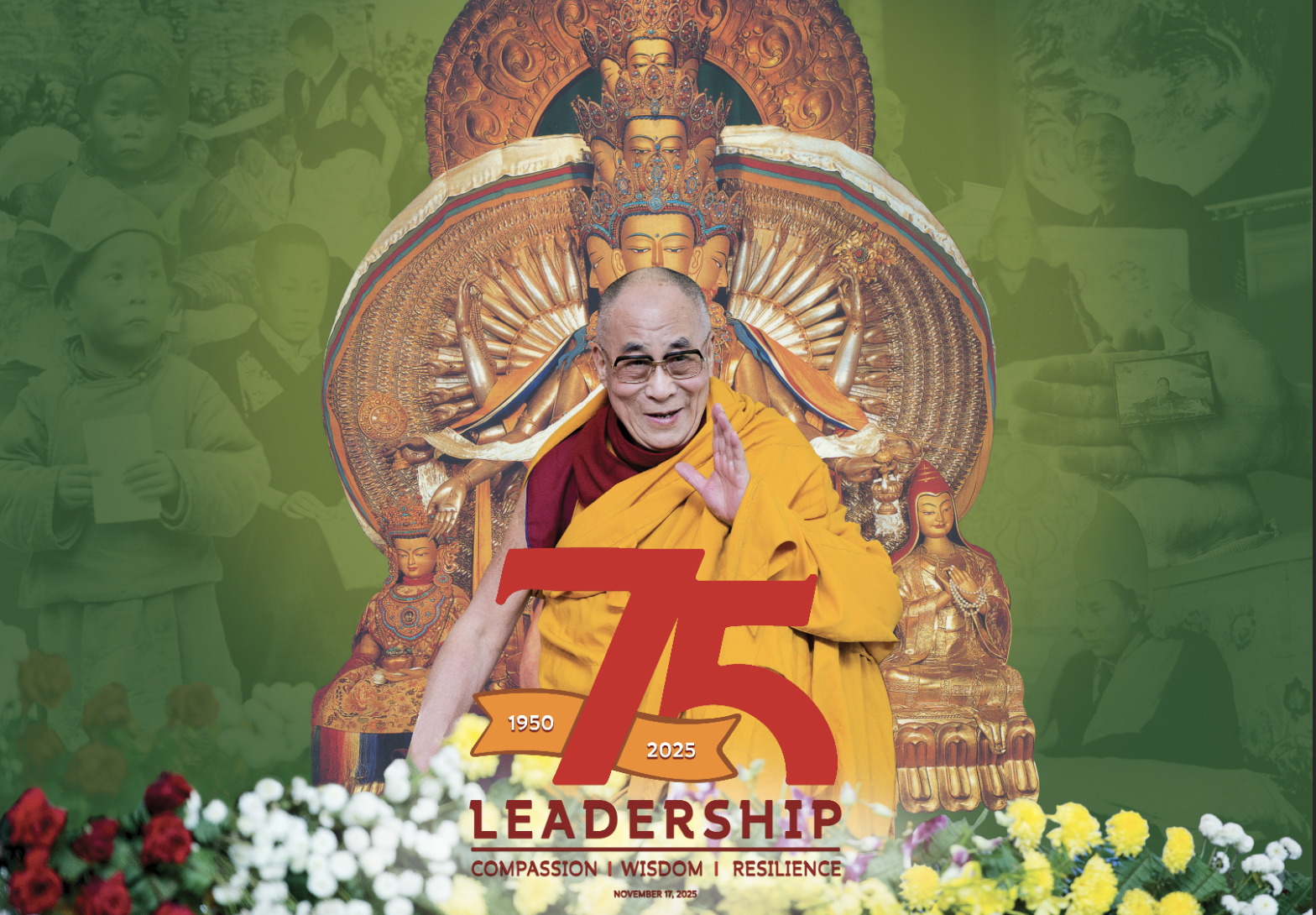
Commemorate the 75th anniversary of His Holiness the 14th Dalai Lama’s assumption of both spiritual and temporal leadership of Tibet.

Route Map

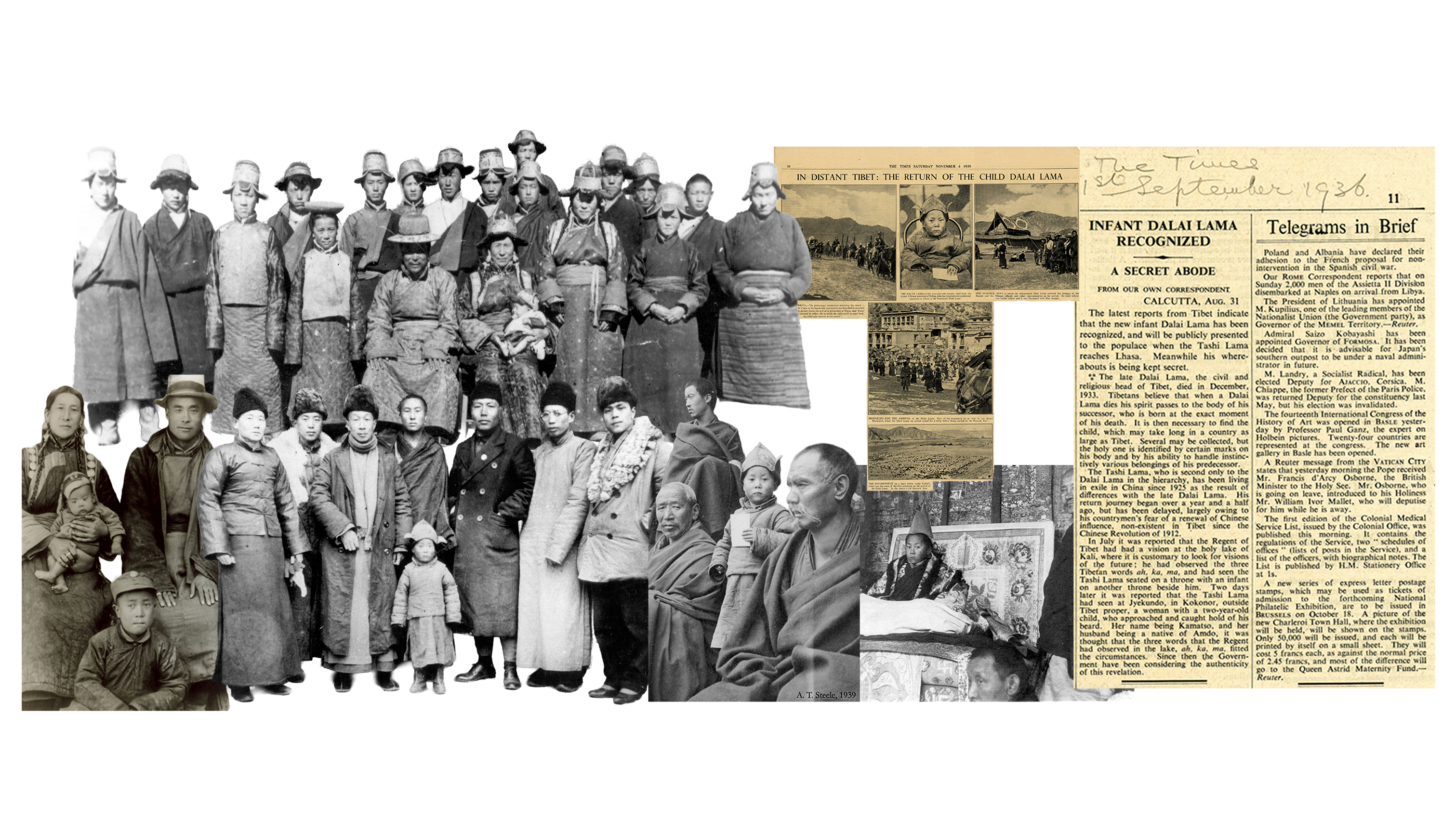
ཡིད་བཞིན་གྱི་ནོར་བུ་འཚོལ་བ། In search of the Jewel (1939)

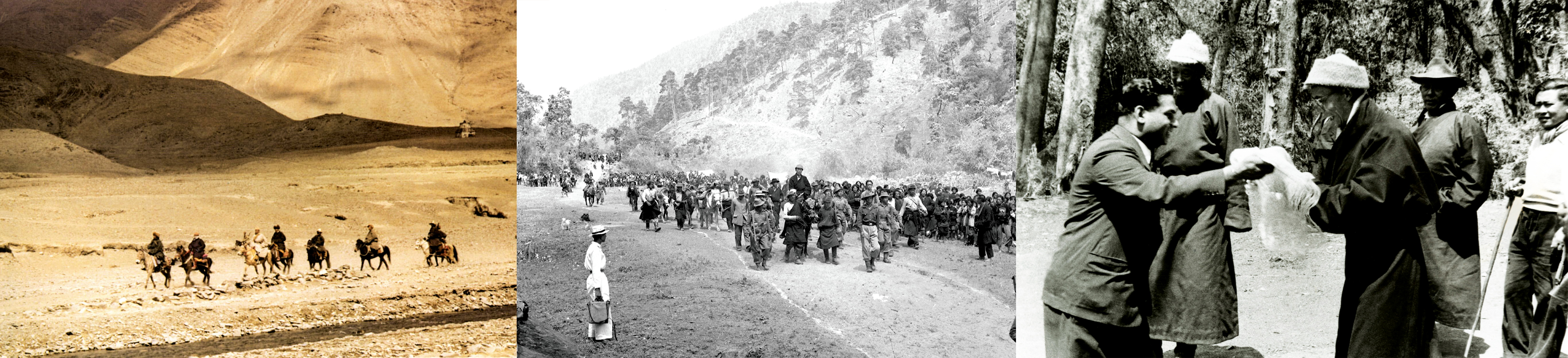
༧གོང་ས་༧སྐྱབས་མགོན་ཆེན་པོ་མཆོག་སྐུ་འབུམ་ནས་ལྷ་སར་ཕེབས། ལོ་རྒྱུས་ཀྱི་ཆིབས་བསྒྱུར་འདི་ས་ཁྲའི་ཐོག་ནས་གཟིགས་དང་།
His Holiness traveled from Kumbum to Lhasa. Watch the map trace this historic path.

* Animation playing...

Route Details

The Journey Begins (1939)

སྤྱི་ལོ་ ༡༩༣༩ ཟླ་ ༧ ཚེས་ ༡༧ ཉིན་དགུང་ལོ་བཞི་ལས་མ་སོན་པའི་༸གོང་ས་སྐུ་ཕྲེང་བཅུ་བཞི་པ་ཆེན་པོོ་མཆོག་སྐུ་འབུམ་ནས་ནོར་བུ་གླིང་གར་ཕེབས་པའི་ལམ་དུ་ཉིན་མཚན་བརྒྱད་ཅུ་གྱ་གསུམ་ཙམ་འགྲུལ་བཞུད་གནང་རྗེས་ ༡༩༣༩ ལོའི་ཟླ་ ༡༠ ཚེས་ ༡༠ ཉིན་ལྷ་སར་འབྱོར།
On 17 July 1939, His Holiness the 14th Dalai Lama, then only four years old, began his journey from Kumbum to Norbulingka. After travelling for approximately 83 days and nights, he and his entourage arrived in Lhasa on 10 October 1939.

Enthronement

གསེར་ཁྲི་མངའ་གསོལ། Enthronement (1940)

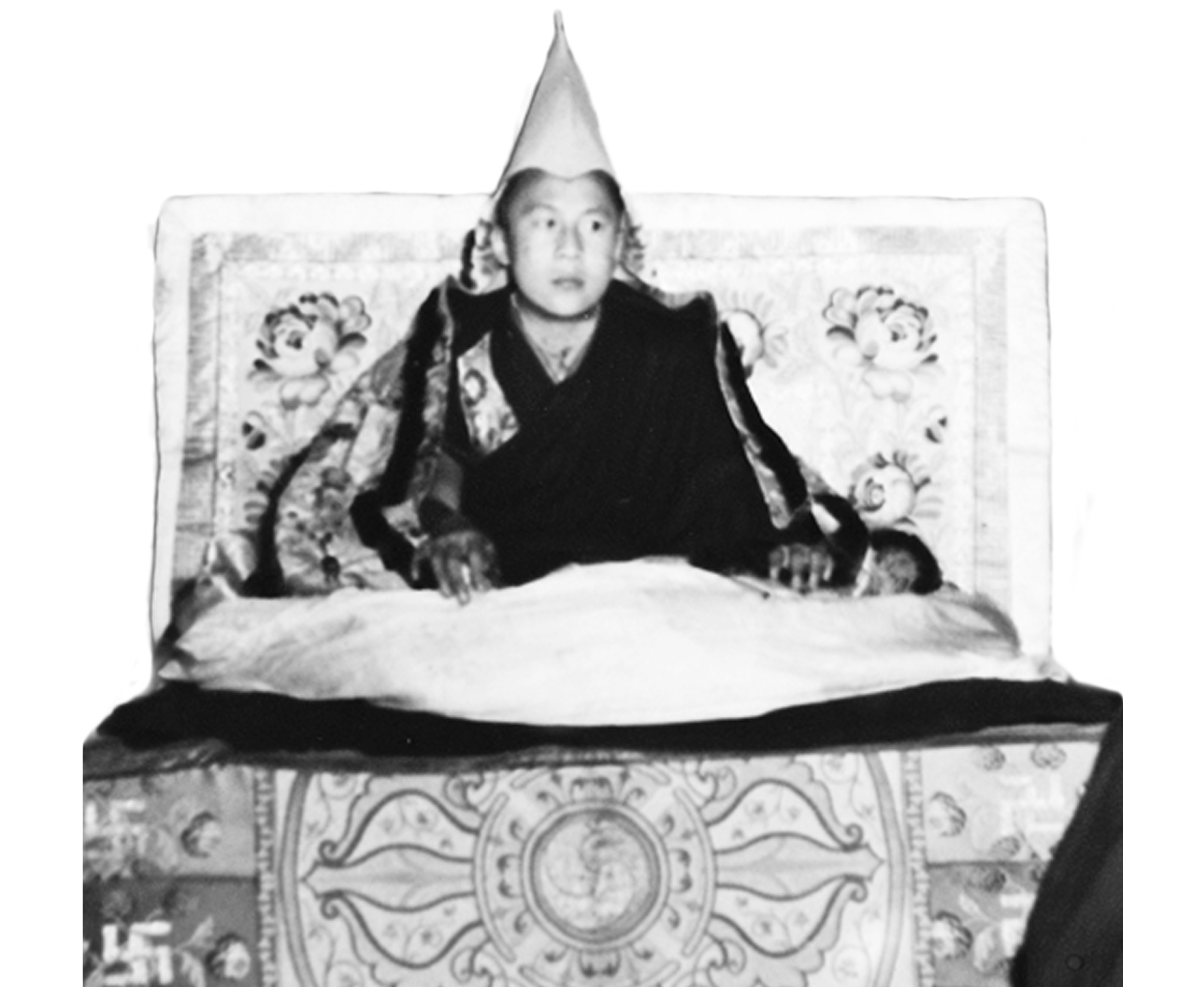
ཕྱི་ཟླ་ ༢ ཚེས་ ༢༢ ལྕགས་འབྲུག་བོད་ཟླ་ ༡ ཚེས་ ༡༤ ཉིན་དགུང་ལོ་བཞི་ལ་ཕེབས་སྐབས་ཕོ་བྲང་པོ་ཏ་ལར་གསེར་ཁྲི་མངའ་གསོལ་གྱི་མཛད་སྒོ་སྔར་སྲོལ་བཞིན་རྒྱས་པར་བསྐྱངས།
On February 22 (14th day of the Tibetan New Year), Iron Dragon year, at age four, His Holiness’s grand enthronement ceremony was held at the Potala Palace.

གསེར་ཁྲི་མངའ་གསོལ། Enthronement (1940)

* Click on the image to play the video.

China

རྒྱ་ནག་ཏུ་ཆིབས་བསྒྱུར། Visit to China (1954)

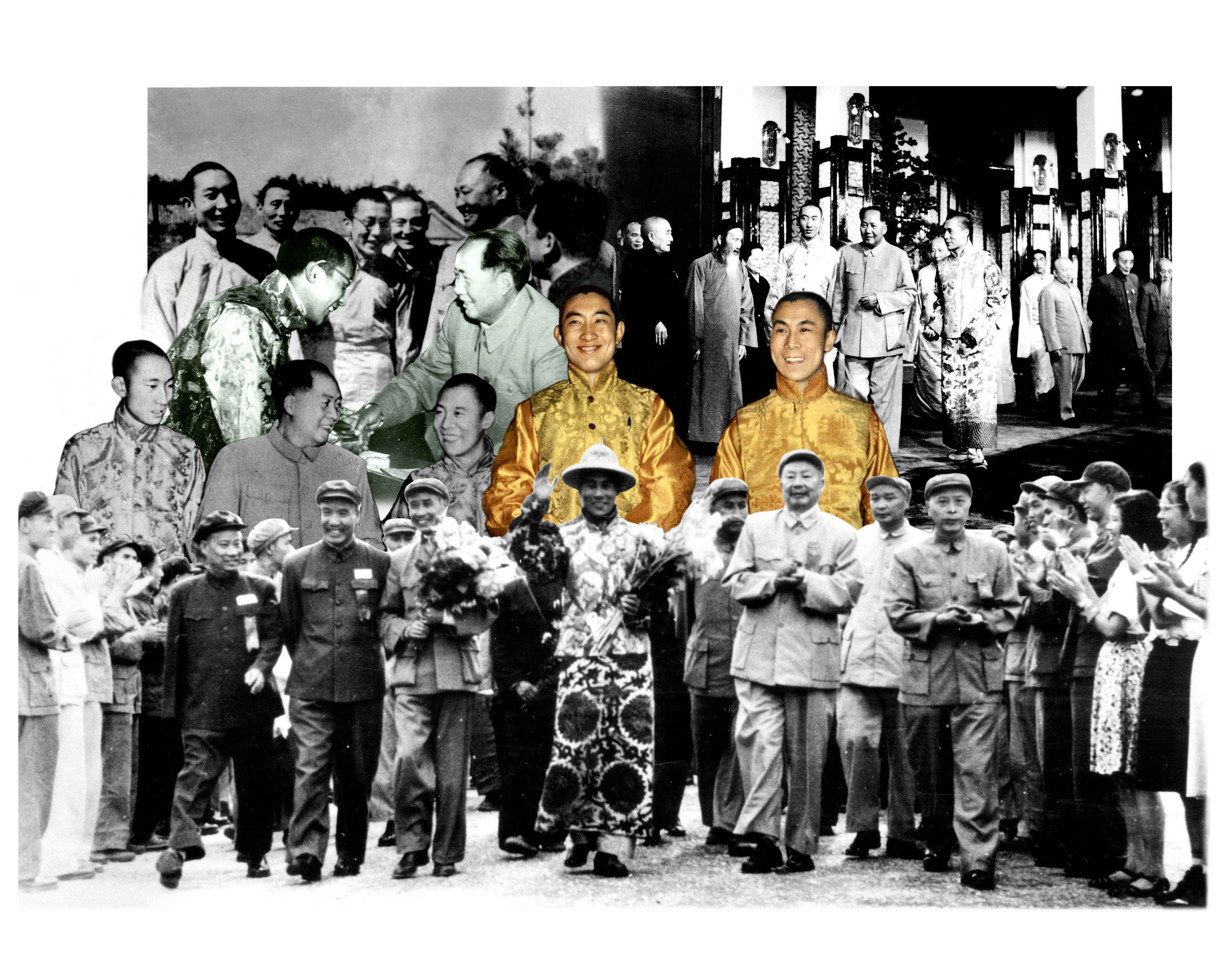
ཕྱི་ལོ་ ༡༩༥༤ རྒྱ་ནག་ཏུ་༸ཞབས་སོར་འཁོད་སྐབས་ཏང་སྲིད་དམག་གསུམ་གྱི་ཆེས་མཐོའི་དཔོན་རིགས་རྣམས་དང་མའོ་ཙེ་ཏུང་དང་སྔ་རྗེས་ཐེངས་ལྔ་མཇལ་འཕྲད་གནང་སྐབས། དགོངས་པའི་ཕུགས་ཀྱི་ཐུགས་རེ་ངོ་མ་བོད་རྒྱ་གཉིས་ཕན་ཚུན་འདྲ་མཉམ་ཐོག་འགྲིགས་གཙོའི་ལམ་བུ་ཞིག་རྙེད་ཐབས་གནང་རྒྱུ་དེ་ཡིན།
On 1954, His Holiness the Dalai lama met five times with top party, government, and military leaders, including Mao Zedong, hoping to secure a fair agreement between Tibet and China as two equals in principle.

India

རྒྱ་གར་དུ་ཆིབས་བསྒྱུར། Visit to India (1956)

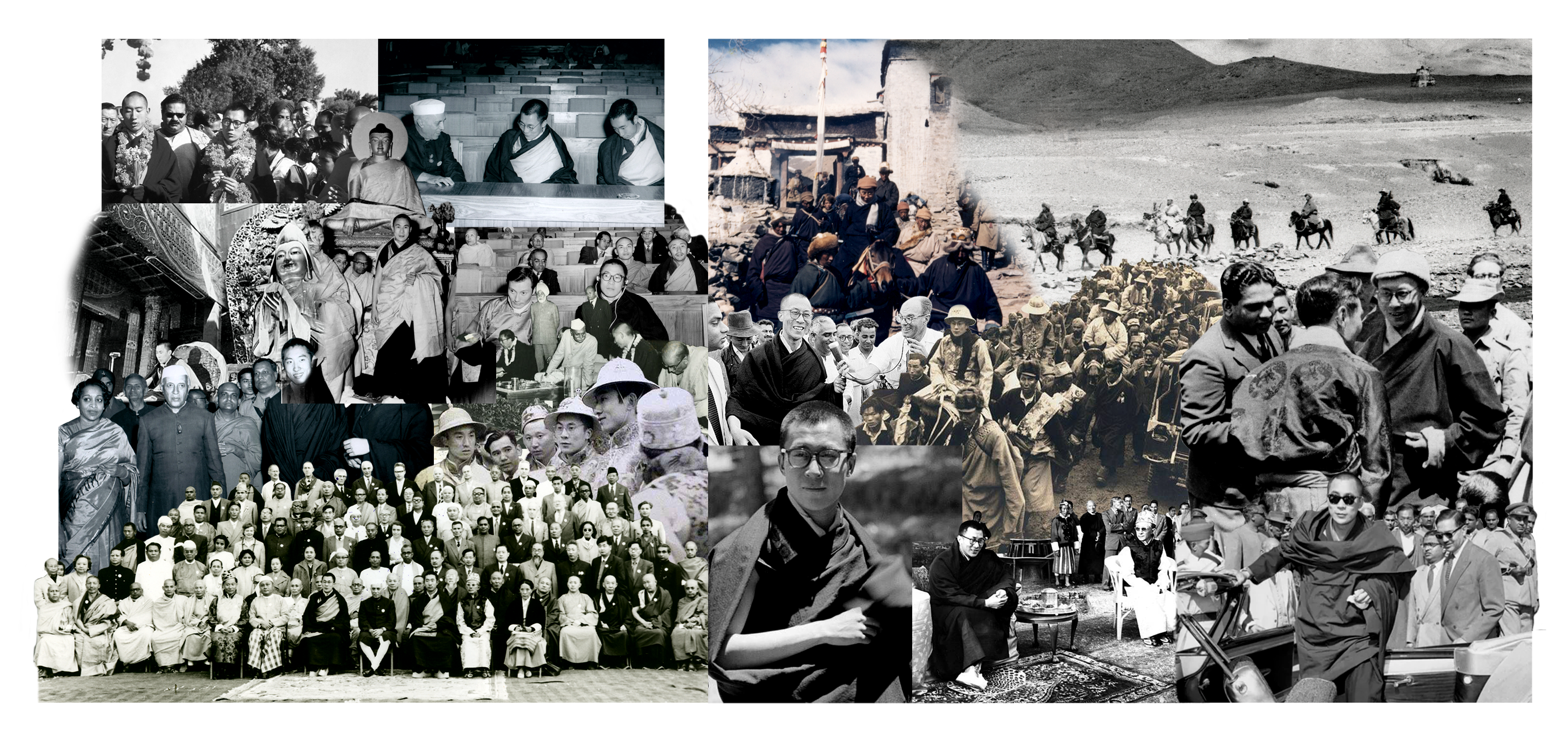
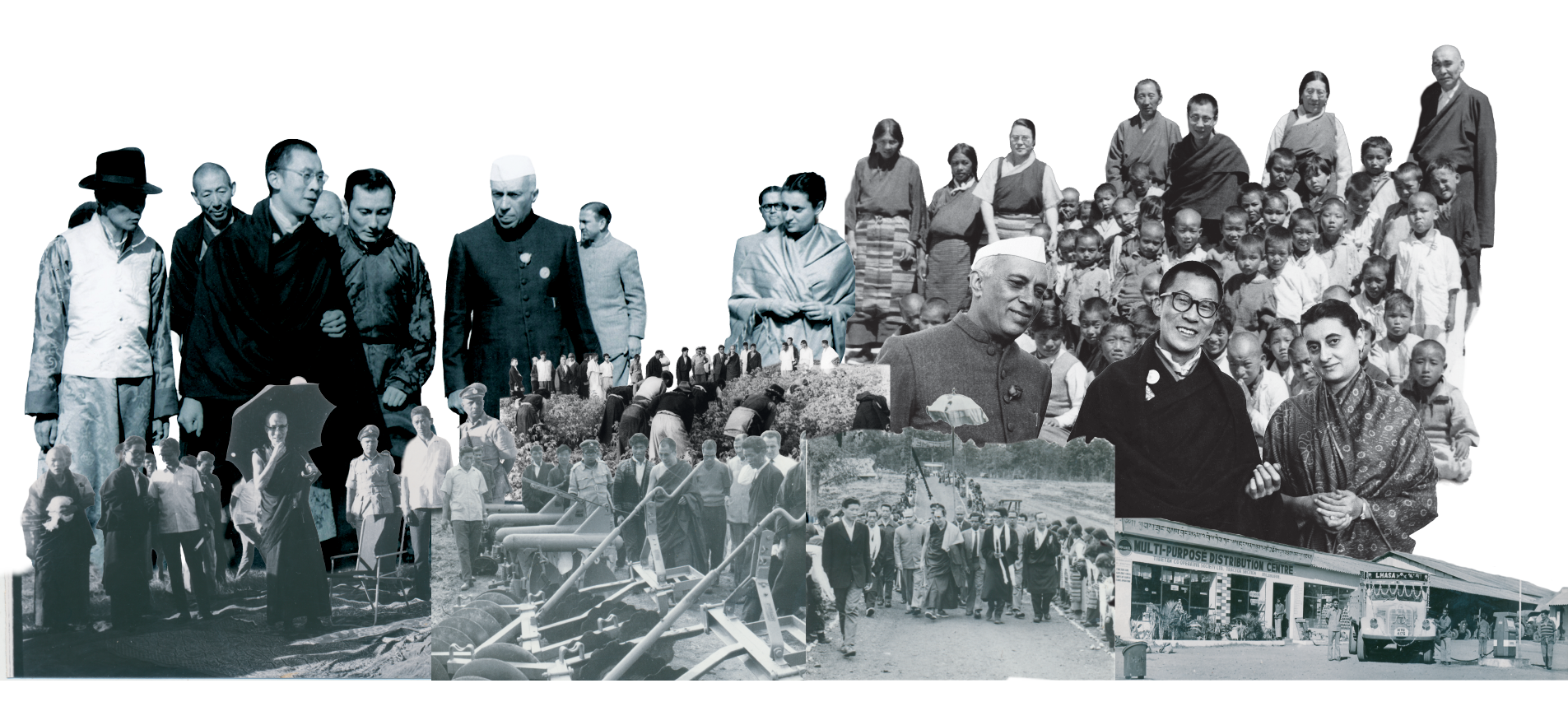
ཕྱི་ལོ་ ༡༩༥༦ རྒྱ་གར་དུ་ཆིབས་བསྒྱུར་གནང་སྐབས་ནས་བོད་དོན་སྐོར་ཕྱི་རྒྱལ་ཁག་ཏུ་གླེང་སློང་གནང་འགོ་ཚུགས། དེ་ཡང་རྒྱ་གར་གཞུང་དང་རྒྱ་གར་བྱང་ཆུབ་ཆོས་ཚོགས་ནས་སྟོན་པ་མྱ་ངན་ལས་འདས་ནས་ལོ་ཉིས་སྟོང་ལྔ་བརྒྱ་འཁོར་བའི་རྗེས་དྲན་གྱི་དུས་ཆེན་ཐོག་གདན་ཞུ་ཕུལ་བ་ལྟར་ཆིབས་བསྒྱུར་སྐབས་རྒྱ་གར་གྱི་གྲོས་ཚོགས་གོང་འོག་གཉིས་སུ་གྲོས་འཆར་ཐོག་རྩོད་པ་དང་། དྲི་བ་བཀོད་པ། དེ་ལ་གསལ་བཤད། ངོ་རྒོལ་དང་རྒྱབ་སྐྱོར་སོགས་སྐད་ཅོར་བརྒྱབ་སྟེ་རང་དབང་གི་རྣམ་པ་གསལ་པོ་གཟིགས་པར་ཐུགས་ཡིད་འཕྲོག་ཏེ། མ་འོངས་བོད་དུའང་མིང་དོན་མཚུངས་པའི་ལམ་སྲོལ་གསར་གཏོད་ཀྱི་དགོངས་པ་འཁྲུངས།
During his visit to India in 1956, His Holiness the Dalai Lama began raising the Tibetan issue internationally. The Government of India and Mahabodhi Society of India had invited him to 2500th Anniversary of Buddha’s Parinirvana. During that visit he witnessed debates and questions on proposals in both houses of the Indian Parliament, with questions, clarification, protests, and support with lots of noise. So, since His Holiness witnessed the clear expression of freedom he felt inspired and hence conceived the idea of creating a future Tibetan governance system worthy of its name.

* Click on the image to play the video.

Escape Route

བྲོས་བྱོལ། The Escape (1959)

ལྷ་ས་ནས་རྟ་དབང་།: ༧གོང་ས་༧སྐྱབས་མགོན་ཆེན་པོ་མཆོག་རྒྱ་གར་དུ་སྐྱབས་བཅོལ་དུ་ཕེབས་པའི་ཉེན་ཁ་ཆེ་བའི་འགྲུལ་བཞུད་ཀྱི་རྗེས་ཤུལ།

Lhasa to Tawang: Trace the perilous journey His Holiness took to seek asylum in India.

Tezpur

ཏྶེ་པུར་དུ་ཆིབས་བསྒྱུར། Visit to Tezpur (1959)

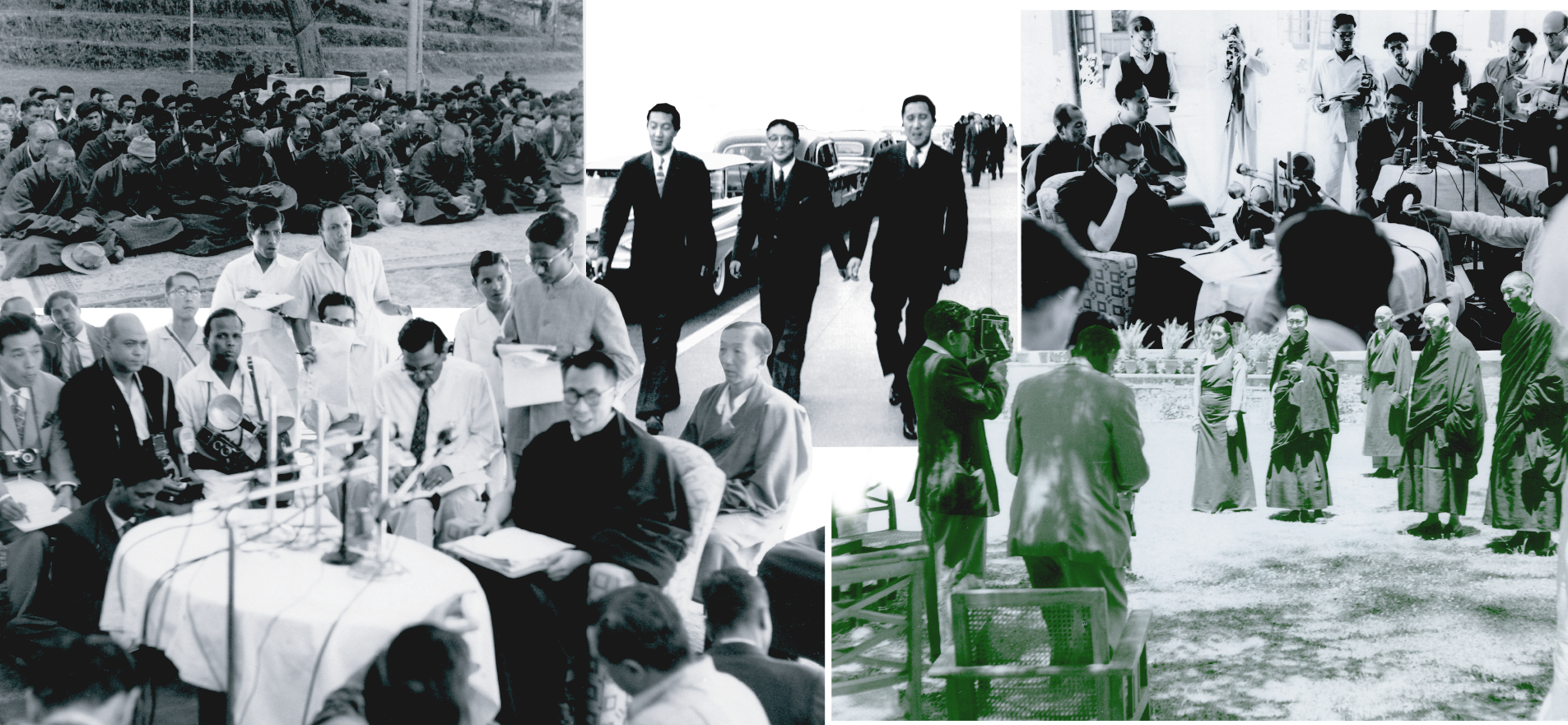
ཕྱི་ལོ་ ༡༩༥༩ ཟླ་ ༤ ཚེས་ ༡༨ ཉིན་ཏྶེ་པུར་མེ་འཁོར་བབས་ཚུགས་སུ་རྒྱལ་སྤྱིའི་གསར་འགོད་པ་ ༦༠ སྐོར་ལ་གསར་འགོད་གསལ་བསྒྲགས་གནང་བའི་སྙིང་པོར། དེ་ཕན་བོད་ཀྱི་གནས་སྟངས་ངོ་སྤྲོད་དང་། རྒྱ་དམར་གྱིས་བོད་སར་བཙན་འཛུལ་བྱས་རྗེས་བོད་ནང་རྐྱེན་ངན་ཇི་བྱུང་། བཙན་དབང་འོག་བཞག་པའི་གྲོས་མཐུན་དོན་ཚན་ ༡༧ ཟེར་བར་ཐོག་མར་རྒྱ་ཕྱོགས་ནས་བརྡལ་བཤིག་བྱས་རྐྱེན་དེ་ལ་ངོས་ལེན་མེད་ལུགས་སོགས་གཡུ་ཐོག་སྲས་འཇིགས་མེད་ནས་དབྱིན་སྐད་ཐོག་སྒྲོག་སྦྱང་གནང་ཡོད་པ་རེད།
On April 18, 1959 around 60 international journalists had gathered at Tezpur railway station and Jigme Yuthok explained in English the situation in Tibet, the disasters following the Chinese invasion, and stated that Tibet rejected the 17-Point Agreement, imposed under duress, because it had been first violated by China.

Mussorrie

མ་སུ་རིར་ཆིབས་བསྒྱུར། Visit to Mussorrie (1959)

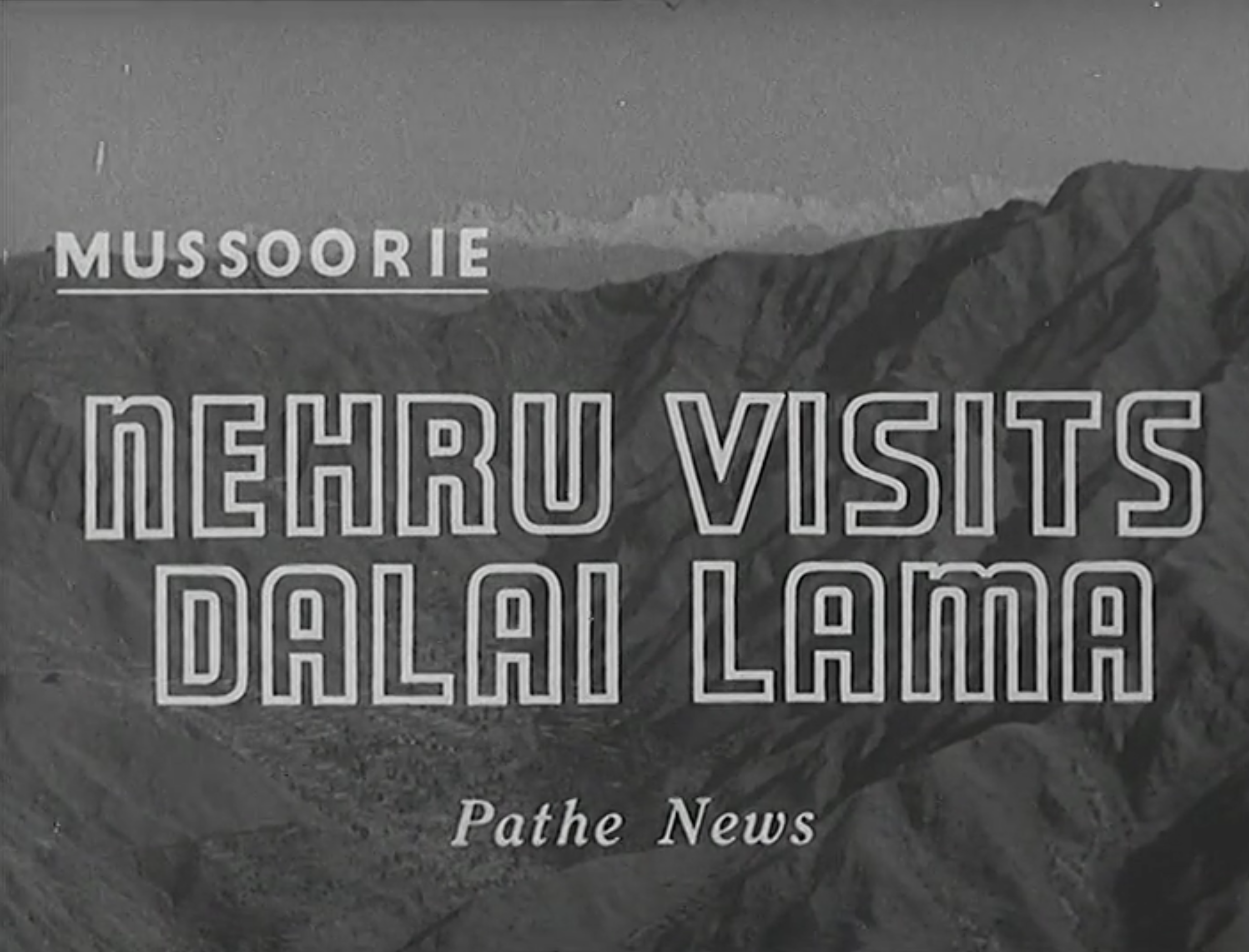
ཟླ་ ༦ ཚེས་ ༢༠ ཉིན་སྔ་དྲོའི་ཆུ་ཚོད་ ༡༠ པའི་ཐོག་རྒྱལ་སྤྱིའི་གསར་འགོད་པ་ ༡༣༠ སྐོར་མུ་སུ་རིར་འབྱོར་བར་བོད་མི་བསད་བཟུང་ཇི་བྱས། བཙན་འོག་ཏུ་བཞག་པའི་གྲོས་མཐུན་ ༡༧ གཞིར་བཟུང་རྒྱ་ནག་གཞུང་དང་མཐུན་ཐབས་མཛད་ཀྱང་དོན་འབྲས་མ་སོན་པ། རྒྱལ་ཁབ་སུ་ཞིག་གིས་ངོས་ལེན་བྱེད་མིན་ལ་མ་ལྟོས་པར། ང་དང་ངོས་ཀྱི་བཀའ་ཤག་གང་དུ་ཡོད་པ་དེར་བོད་མི་རྣམས་ཀྱིས་བོད་གཞུང་དེར་ཡོད་པར་ངོས་འཛིན་བྱེད་ཀྱི་ཡོད་ཅེས་རང་དབང་ལྡན་པའི་འཛམ་གླིང་མི་མང་ལ་བོད་དོན་རྒྱབ་སྐྱོར་འབོད་བསྐུལ་བཅས་གནང་།
On June 20 at 10 a.m., around 130 international journalists gathered in Mussoorie to hear His Holiness the Dalai Lama speak on China’s repression in Tibet. He noted that amicable negotiations under the 17-Point Agreement imposed under duress had failed, affirmed his government-in-exile’s legitimacy, and appealed to the free world for support.

མ་སུ་རིར་ཆིབས་བསྒྱུར། Visit to Mussorrie (1959)

ཟླ་ ༦ ཚེས་ ༢༠ ཉིན་སྔ་དྲོའི་ཆུ་ཚོད་ ༡༠ པའི་ཐོག་རྒྱལ་སྤྱིའི་གསར་འགོད་པ་ ༡༣༠ སྐོར་མུ་སུ་རིར་འབྱོར་བར་བོད་མི་བསད་བཟུང་ཇི་བྱས། བཙན་འོག་ཏུ་བཞག་པའི་གྲོས་མཐུན་ ༡༧ གཞིར་བཟུང་རྒྱ་ནག་གཞུང་དང་མཐུན་ཐབས་མཛད་ཀྱང་དོན་འབྲས་མ་སོན་པ། རྒྱལ་ཁབ་སུ་ཞིག་གིས་ངོས་ལེན་བྱེད་མིན་ལ་མ་ལྟོས་པར། ང་དང་ངོས་ཀྱི་བཀའ་ཤག་གང་དུ་ཡོད་པ་དེར་བོད་མི་རྣམས་ཀྱིས་བོད་གཞུང་དེར་ཡོད་པར་ངོས་འཛིན་བྱེད་ཀྱི་ཡོད་ཅེས་རང་དབང་ལྡན་པའི་འཛམ་གླིང་མི་མང་ལ་བོད་དོན་རྒྱབ་སྐྱོར་འབོད་བསྐུལ་བཅས་གནང་།
On June 20 at 10 a.m., around 130 international journalists gathered in Mussoorie to hear His Holiness the Dalai Lama speak on China’s repression in Tibet. He noted that amicable negotiations under the 17-Point Agreement imposed under duress had failed, affirmed his government-in-exile’s legitimacy, and appealed to the free world for support.

* Click on the image to play the video.

Constitution

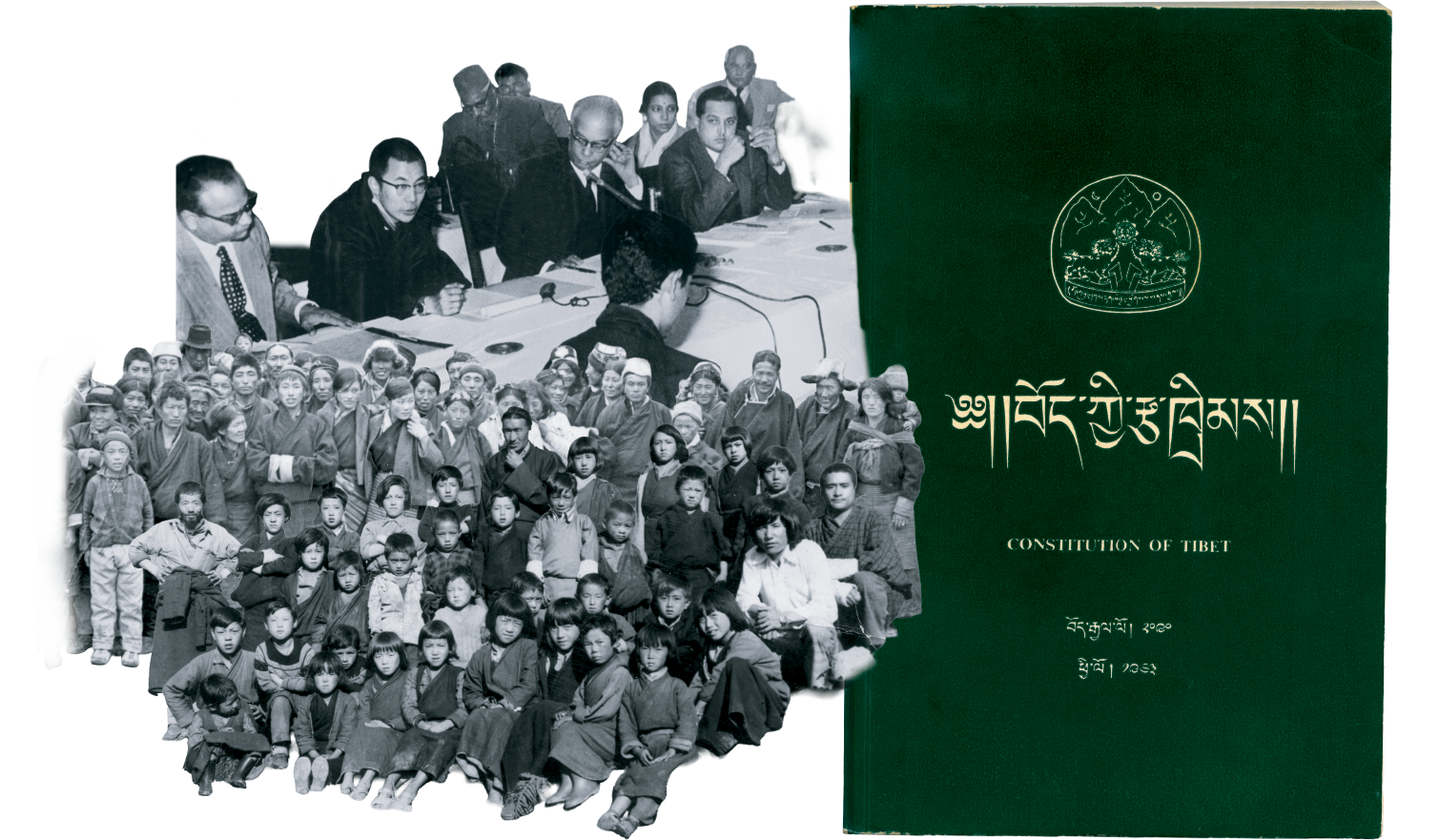
བོད་ཀྱི་རྩ་ཁྲིམས། The Constitution (1963)

རྩ་ཁྲིམས་གསར་པའི་ཟིན་བྲིས་ཚོགས་ཆུང་གི་རྒྱལ་སྤྱིའི་ཁྲིམས་དོན་མཁས་པའི་འཐུས་མི་སྐུ་ཞབས་པུར་ཤོ་ཏམ་མཆོག་ནས་འགྲོ་སྟངས་རྒྱུས་མངའི་སློབ་སྟོན་ཞུས་ཏེ་ཟིན་བྲིས་གཏན་འབེབས་གནང་།
Mr Purshotam Trikandas, a member of the International Law Experts Committee, provided procedural guidance to the New Constitution Drafting Committee and oversaw the finalization of the draft.

Japan

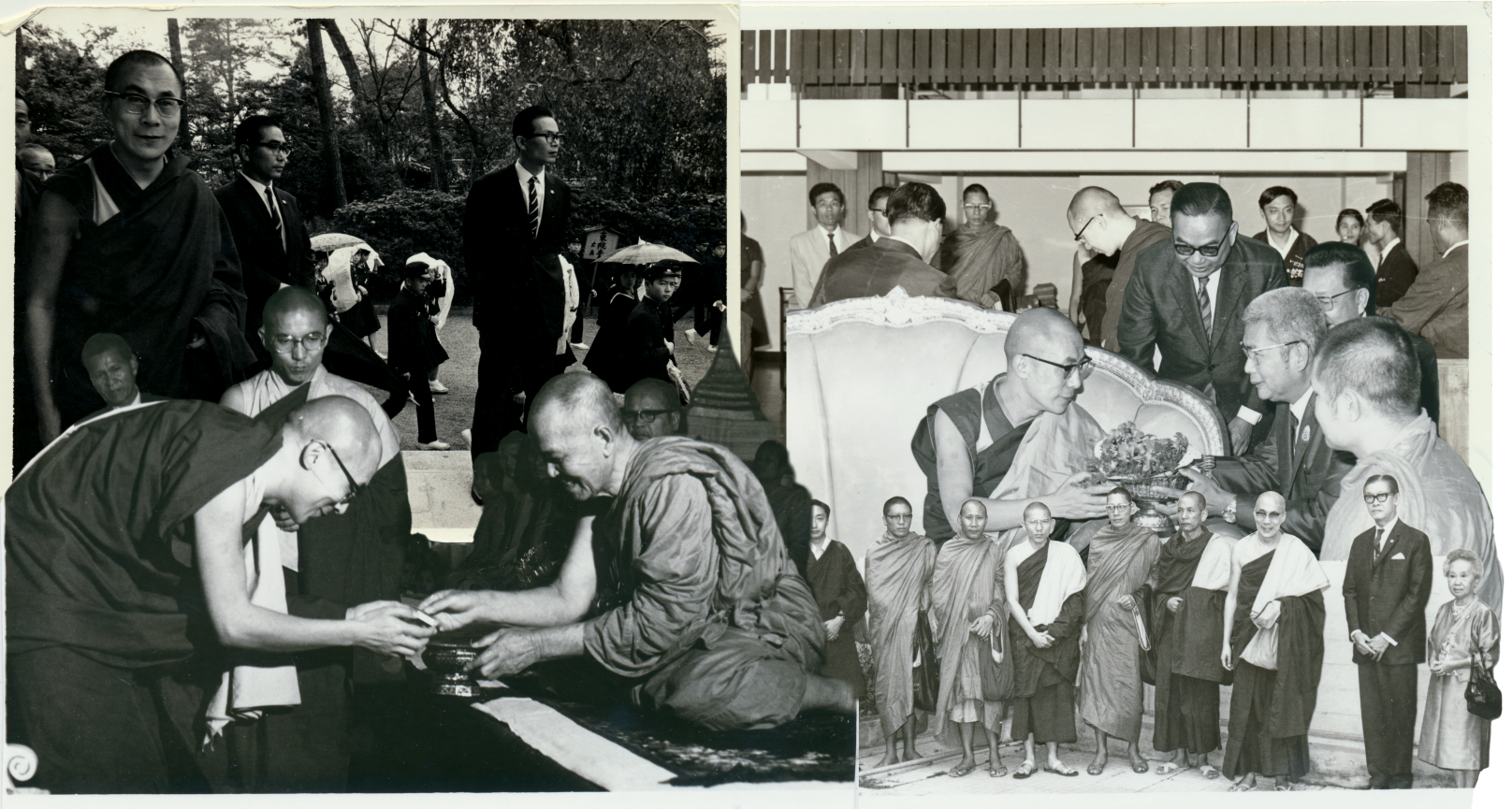
ཉི་ཧོང་དང་། ཐེ་ལནྡྲ། Japan & Thailand (1967)

ཕྱི་ལོ་ ༡༩༦༧ ཟླ་ ༩ ཚེས་ ༢༥ ཉིན་ཐོག་མར་ཉི་ཧོང་དང་། ཐེ་ལནྡྲ། བཅས་ནང་པའི་རྒྱལ་ཁབ་ཁག་ལ་༸ཞབས་བཅགས།
On 25 September 1967, His Holiness made his first visits to Japan and Thailand.

West

ནུབ་ཕྱོགས་རྒྱལ་ཁབ་ཏུ་ཆིབས་བསྒྱུར། Western Countries (1973)

ཕྱི་ལོ་ ༡༩༧༣ ཟླ་ ༩ ཚེས་ ༢༩ ཉིན་ཨི་ཊ་ལི་དབྱིན་ཡུལ་དང་སུད་སི་གཙོ་གྱུར་ནུབ་ཕྱོགས་རྒྱལ་ཁབ་བཅུ་གྲངས། རིམ་གྱིས་ཨ་རི་དང་། རུ་སུ། ཕ་རན་སི། ཁེ་ན་ཌ། ལྷོ་ཨ་ཕི་རི་ཀ སོག་ཡུལ། ཐེ་ཝན། ཇོར་ཌན་སོགས་ལ་༸ཞབས་བཅགས།
On September 29, 1973, His Holiness began visiting several Western countries: including Italy, England, and Switzerland, later extending his travels to the U.S., Russia, France, Canada, South Africa, Mongolia, Taiwan, and Jordan.

* Click on the image to play the video.

Strasbourg

ཞི་བའི་གྲོས་འཆར་དོན་ཚན་ལྔ། Strasbourg Proposal (1988)

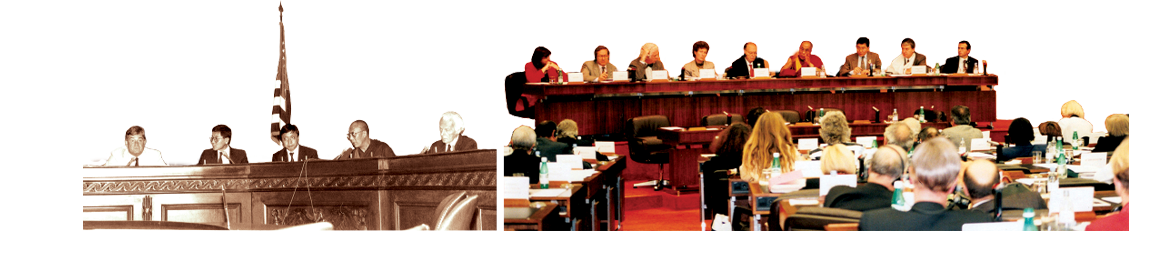
ཕྱི་ལོ་ ༡༩༨༨ ཟླ་ ༦ ཚེས་ ༡༥ ཉིན་༸གོང་ས་མཆོག་གིས་ཡུ་རོབ་གྲོས་ཚོགས་ (EUP, Strasbourg) ཐོག་དེའི་གོང་ཨ་རིའི་གྲོས་ཚོགས་ཐོག་ཞི་བའི་གྲོས་འཆར་དོན་ཚན་ལྔ་པའི་སྐོར་འགྲེལ་བཤད་གནང་ བའི་ནང་། དེ་ལ་བོད་མི་མང་པོ་ཞིག་གིས་འདོད་བློ་མི་ཁེངས་པའི་འཁང་ར་བྱེད་མུས་ལ་མ་ལྟོས་པར། བཀའ་བསྡུར་གྱི་རྨང་གཞི་ལྟ་བུར་དགོངས་ཡངས་དཀྱེལ་ཆེའི་དགོངས་ཚུལ་གསལ་སྟོན་གནང་ཡོད། སྟབས་མ་ལེགས་པ་ཞིག་ལ། ང་ཚོས་ཐབས་ཤེས་གང་བྱས་པ་རྣམས་ལ་རྒྱ་ཕྱོགས་ནས་རྒྱུན་བསྟུད་རང་སྐྱོན་འགེབས་སྲུང་གི་རྣམ་པ་ཁོ་ནས་གྲོས་འཆར་གྱི་དོན་ཚན་རེ་རེ་བཞིན་ངོས་ལེན་བྱས་མེད།
On June 15, 1988, His Holiness the Dalai Lama presented the Five-point Peace Plan at the European Parliament in Strasbourg, offering a broad and generous basis for dialogue. Despite these efforts, the People’s Republic of China consistently rejected all points, masking its own shortcomings.

Noble Peace Prize

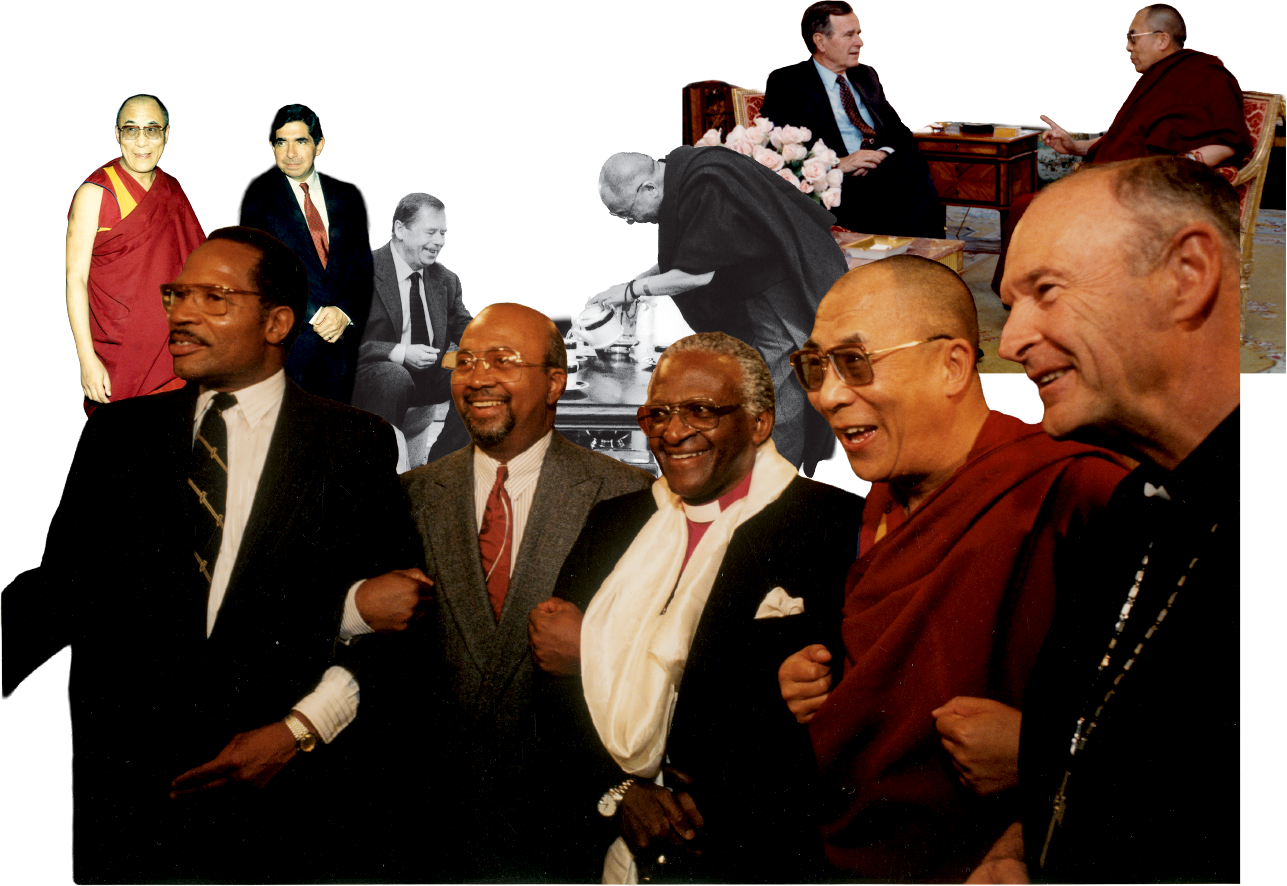
ནོ་སྦེལ་ཞི་བདེའི་གཟེངས་རྟགས། Noble Peace Prize (1989)

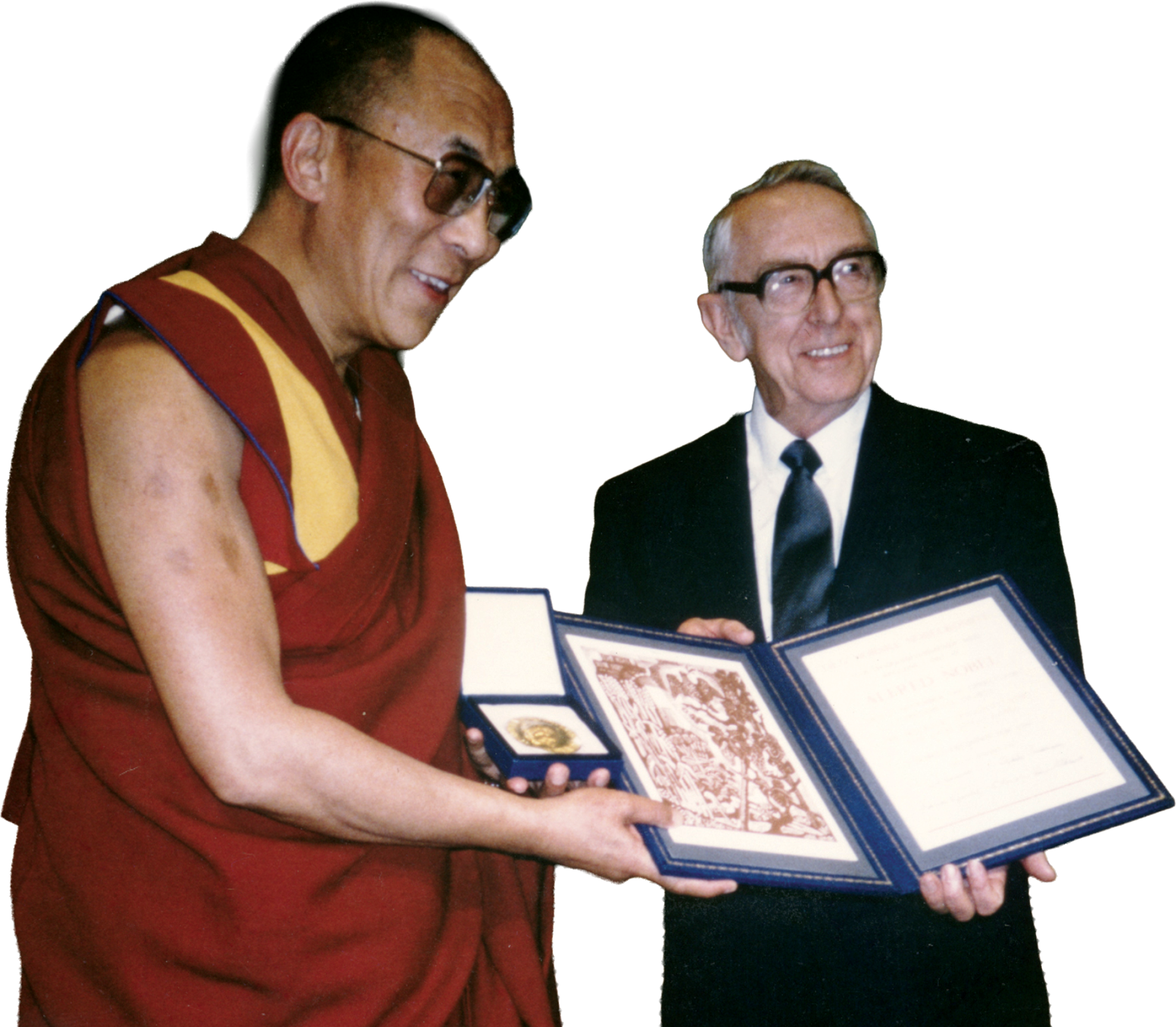
ཕྱི་ལོ་ ༡༩༨༩ ཟླ་ ༡༢ ཚེས་ ༡༠ ཉིན་སྤྱི་ནོར་༧གོང་ས་༧སྐྱབས་མགོན་ཆེན་པོ་མཆོག་པོར་འཚེ་མེད་ཞི་བའི་ཐབས་དང་། སྙིང་རྗེ། གྲོས་མོལ་བཅས་ལ་འགྱུར་བ་མེད་པའི་བློས་འགེལ་གནང་བར་ནོ་སྦེལ་ཞི་བདེའི་གཟེངས་རྟགས་འབུལ་བཞེས་མཛད། ཁོང་གི་དབུ་ཁྲིད་ཀྱིས་དྲག་ཤུགས་ལས་ཞི་བདེའི་ནུས་སྟོབས་ཀྱི་རང་བཞིན་མཚོན་ཞིང་། སྐྱེ་འགྲོ་སྤྱིའི་བདེ་སྐྱིད་ལ་སྨན་པའི་སྤྱི་ཚོགས་འཆམ་མཐུན་མཉམ་གནས་ཡོངས་ཐབས་མཛད་བཞིན་པ། ཁོང་གི་དམན་སེམས་དང་ཐུན་མོང་མ་ཡིན་པའི་ནུས་སྟོབས་ཟབ་མོས་འགྲོ་བ་མིའི་བཟང་སྤྱོད་དང་འཇིག་རྟེན་ཀུན་ཁྱབ་འགན་འཁུར་གྱི་མིག་དཔེ་བཟང་པོ་སྟོན་གནང་མཛད་ཀྱི་ཡོད།
On December 10, 1989, His Holiness the 14th Dalai Lama received the Nobel Peace Prize for his unwavering commitment to nonviolence, compassion, and dialogue. His leadership embodies the power of peace over force, guiding humanity toward harmony, moral courage, and universal responsibility through his example of humility and deep spiritual strength.

Succession

སྐུ་དབང་རྩིས་སྤྲོད། Devolution of Power (2011)

ཕྱི་ལོ་ ༢༠༡༡ ཟླ་ ༨ ཚེས་ ༨ ཉིན་མི་ལོ་སུམ་བརྒྱ་དྲུག་ཅུའི་ལོ་རྒྱུས་རང་བཞིན་ལྡན་པའི་ཁྲིམས་མཐུན་གྱི་སྐུ་དབང་མི་མང་གིས་ཐད་ཀར་འོས་འདེམས་བྱས་པའི་འགོ་ཁྲིད་ལ་སྐུ་དབང་རྩིས་སྤྲོད་ཀྱིས་དོན་སྙིང་གང་ཉིད་ཀྱིས་སྐུ་དབང་འཛིན་སྐྱོང་དང་། ལྷག་དོན་བླ་མས་གཞུང་གི་འགོ་ཁྲིད་བྱེད་རྒྱུ་མཇུག་བསྒྲིལ་ཏེ་གང་གི་མཐར་ཐུག་གི་དགོངས་པ་དངོས་སུ་ཕྱག་བཞེས་བསྟར་བ་དེ་ནི་སྔོན་གྱི་ཆོས་རྒྱལ་རིམ་བྱོན་དང་། བར་གྱི་ས་ཕག་གཙང་གསུམ། ཕྱིས་ཀྱི་༸རྒྱལ་དབང་སྐུ་ཕྲེང་རིམ་བྱོན་སུས་ཀྱང་ཕྱག་བཞེས་སུ་མ་ཐེབས་པའི་རྗེས་ལུས་ཀྱི་སྤྱི་ཚོགས་ཀྱི་གནས་སྟངས་དུས་དང་འཚམས་པ་གོམ་པ་རིམ་སྤོས་ཀྱི་འགྱུར་བ་གནང་ཡོད།
On August 8, 2011, 360 years of traditional temporal authority was handed to a leader directly elected by the people, ending the Lama-led governance and marking a decisive move away from outdated practices of the past rulers of Tibet including the Dalai Lamas.

HHDL

བྱམས་བརྩེའི་ལོ། YEAR OF COMPASSION (2025)

སྙིང་རྗེ། ཤེས་རབ། དཀའ་ཐུབ། Compassion Wisdom Resilience